What Are the Most Common eBike Accident Injuries?
eBike riders are hurt most often in the head, the upper limbs, and the hips, because an electric bike carries more weight and more speed into a crash than a standard bicycle does. Riders have no frame, no airbag, and no seat belt between them and the road.
- Concussions and other traumatic brain injuries
- Fractures to the wrist, collarbone, hip, and ankle
- Road rash and deep soft tissue wounds
- Spinal, back, and internal injuries in higher-speed collisions
Injury patterns shift with road surface, riding speed, and whether a motor vehicle was involved.
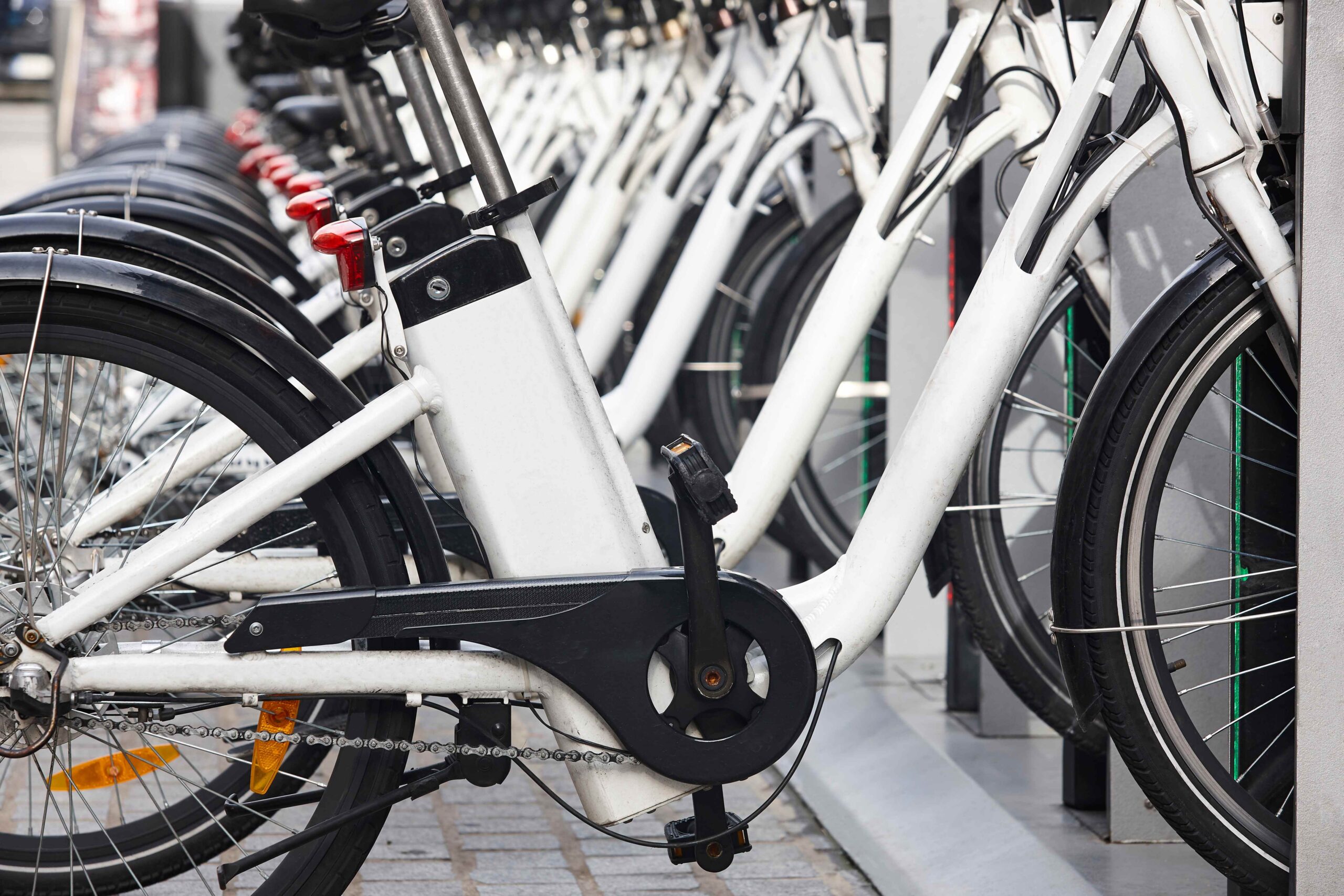
eBike accident injuries tend to be more serious than riders expect, and that surprise is part of the problem. A pedal bike that tips over at 8 mph leaves bruises. An electric bike that goes down at 20 mph, carrying an extra 40 or 50 pounds of motor and battery, delivers far more force to whatever part of the body lands first.
At Marcus & Mack, we have watched that difference play out in the medical records of riders across western and central Pennsylvania, and it shapes everything from the treatment a rider needs to the way an insurance company looks at the claim.
Below is a plain look at what injuries are common in eBike accidents, why some of them stay hidden for days, and how injury severity ends up shaping a Pennsylvania injury claim. We see you, and we understand that the days after a crash are confusing. Knowing what to watch for is a good place to start.
The short answer is physics. Under Pennsylvania law, a pedalcycle with electric assist can weigh up to 100 pounds and can travel up to 20 mph on motor power alone. A typical road bike weighs about 20 pounds and rarely holds 20 mph for long on a flat stretch.
That combination changes the crash. More mass moving at a steadier speed means more energy transferred at impact, and the rider’s body absorbs most of it.
Two other factors matter. Electric bikes accelerate quickly from a stop, which puts riders into intersections faster than drivers expect. They also stay quiet, so pedestrians and motorists often do not hear a rider approaching.
Head and brain injuries are the most consequential injuries eBike riders sustain, ranging from a concussion to bleeding inside the skull. A rider thrown forward over the handlebars has very little time to protect the head, and helmets reduce risk without eliminating it.
A concussion is a brain injury, even when it is labeled mild. Doctors classify brain injury severity partly by the Glasgow Coma Scale, a 15-point measure of eye, verbal, and motor response, and a score of 14 or 15 falls in the mild range.
Mild does not mean minor. Riders describe headaches, light sensitivity, trouble holding a thought, and irritability that lasts weeks.
Bleeding and swelling inside the skull can develop after a rider has already been sent home. Medical literature describes a secondary injury cascade that continues for hours or weeks after the initial impact.
This is the reason we urge riders never to wave off a head strike. Any loss of consciousness, repeated vomiting, worsening headache, or confusion calls for immediate emergency care.
Fractures are the injury riders report most often, and the pattern is predictable because of how people fall. A rider who goes down instinctively puts out a hand, which sends the force straight up the arm.
The fractures we see most in eBike cases include:
Any of these can mean surgery, hardware, and months away from work. A wrist fracture in a carpenter or a hairstylist is a career problem, not an inconvenience, and that reality belongs in a claim.
Road rash slows recovery more than most people anticipate because open abrasions carry a real risk of infection and can leave permanent scarring. Sliding across asphalt at 15 or 20 mph strips skin away in layers, and deeper wounds sometimes need debridement or skin grafting.
Soft tissue damage accompanies it. Torn rotator cuffs, damaged knee ligaments, and neck and back strains frequently show up days after the crash, once the adrenaline fades.
Scarring deserves particular attention. Visible, permanent scarring on the arms, legs, or face is a genuine loss, and Pennsylvania law recognizes disfigurement as a form of harm.
Back and spine injuries in eBike crashes run from muscle strain to herniated discs to spinal cord damage. The mechanism is usually a hard landing on the tailbone or a violent twist as the rider separates from the bike.
Herniated discs in the neck or lower back produce radiating pain, numbness, and weakness in an arm or leg. Some improve with therapy and injections. Others end in fusion surgery.
Spinal cord injuries sit at the catastrophic end of the range and can permanently change a person’s mobility and independence. Those cases call for life care planning and a careful accounting of future needs, which is why we treat them as catastrophic injury claims from day one.
Internal injuries are the ones that turn dangerous quietly, because bleeding in the abdomen or chest may produce no obvious wound at all. Handlebars driven into the torso are a common cause, and so is the compression of a rider caught between a bike and a vehicle.
Injuries worth watching for include:
Abdominal pain, dizziness, shortness of breath, or spreading bruising after a crash is a reason to return to the emergency department rather than wait it out.
Plenty of serious injuries stay quiet at the scene. Adrenaline masks pain for hours, and riders regularly tell us they felt fine while giving a statement and could barely get out of bed the next morning.
Concussion symptoms, disc injuries, rotator cuff tears, and internal bleeding all commonly declare themselves with a delay. A rider who refuses transport at the scene and sees a doctor four days later still has a legitimate injury.
What that gap does create is an argument. Insurance companies cite the delay and suggest the injury stemmed from something else, which is another reason to get evaluated promptly and describe every symptom honestly.
Injury severity drives nearly everything about a claim, from the medical care a rider needs to the categories of compensation available. A claim generally accounts for medical treatment already received, care reasonably expected in the future, lost earnings, reduced earning capacity, and the physical pain and life disruption the injury caused.
Pennsylvania sets a filing deadline for most injury cases. Under 42 Pa.C.S. § 5524, actions for personal injury generally must be commenced within two years, and claims involving a government body can carry much shorter notice requirements.
Pennsylvania also follows modified comparative negligence under 42 Pa.C.S. § 7102. An injured person whose share of fault is not greater than the defendant’s share may still recover, with the award reduced by that percentage.
Medical records are the spine of an injury claim. Imaging, treatment notes, therapy records, and work restrictions written by a treating physician tell the story far more persuasively than a rider’s description months later.
Riders in Indiana, Johnstown, Altoona, State College, and DuBois have brought us cases with almost no paperwork behind them, and we work with what exists. Complete records simply make a stronger case.
Our lawyers have more than 100 years of combined legal experience, and Marcus & Mack has represented injured people across Pennsylvania for more than 40 years. That history matters here because eBike claims sit in an unsettled corner of the law where insurers push back hard.
When we take an eBike case, we gather the medical records, identify every source of coverage, and build the connection between the crash and the injuries with the treating providers.
We work on a contingency fee, which means no fee unless you collect. Consultations are free, and someone answers our phone around the clock.
Riders ask us many of the same questions in the weeks after a crash. Here are answers to several that come up most often.
Pennsylvania requires helmets for pedalcycle riders and passengers under 12 years old. Because state law sets 16 as the minimum age to operate a pedalcycle with electric assist, adult eBike riders are not covered by a helmet mandate. Wearing one anyway remains one of the simplest ways to reduce head injury risk.
Riding without a helmet does not, by itself, bar a claim in Pennsylvania. An insurance company may raise it when arguing about fault or damages, and how much weight it carries depends on the facts of the particular crash.
That is a medical decision, and it belongs to you and your doctors. From a claims standpoint, gaps in treatment tend to invite questions, so following through on a prescribed course of care and telling your provider when something is not improving both help.
Hit and run crashes involving cyclists happen, and a claim may still be possible through uninsured motorist coverage on a household auto policy. Reporting the crash to police promptly is an important step in preserving those options.
Claims involving minors follow different timing rules, and the deadline to file generally does not begin running until the child turns 18. Pennsylvania also prohibits anyone under 16 from operating a pedalcycle with electric assist, which can become a contested issue in these cases.
Pennsylvania allows recovery as long as your share of fault is not greater than the other party’s share, with your award reduced by your percentage. Riders often blame themselves early and turn out to be wrong once the full picture comes together.
An eBike crash can reshape your work, your routine, and your household budget in a single afternoon. You do not have to sort out the medical bills and the insurance questions on your own, and you should not have to guess at what your injuries are worth.
We are here to listen. Tell us what happened, and we will tell you honestly what we think the path forward looks like.
Call Marcus & Mack at (724) 349-5602 for a free consultation, or contact us to get started. There is no fee unless you collect.
Marcus & Mack